
When Should I use Heat or Ice?
Whether to use heat or ice to treat an injury depends on the type of injury you have sustained. Typically, with acute injuries, you will use ice during the first 24-36 hours. If there is swelling or inflammation, ice is usually the first step. For conditions like muscle spasms, you will use heat to help relax the spasm. If the condition is painful or irritable, you will want to use ice.
Heat Therapy
 Lactic acid build-up is what causes overworked muscles to become sore. When the muscles are put under stress and deprived of oxygen, lactic acid will begin to accumulate. The lactic acid gets stuck when blood flow to the damaged area decreases. The muscle ache you feel is a result of this build up. Heat therapy can help to restore blood flow and speed the removal of lactic acid from muscles.
There are two main types of heat therapy:
Local heat is applied to a specific area with a:
- hot water bottle
- heating pad
- moist heat (hot, damp towel)
- heat wraps
Systemic heat raises your body temperature with a:
- hot bath
- sauna
- steam bath
- hot shower
Ice (Cryotherapy)
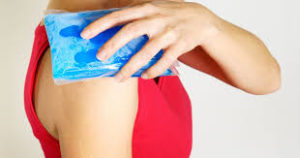 Ice is generally used to help treat fresh injuries. Tissue that is damaged during an injury becomes inflamed and can cause pain, swelling, or redness. Swelling is your body’s natural response to injury. Pain is is often a result of local swelling that compresses the nearby tissue. Ice numbs the affected area, narrows blood vessels and slows down blood flow. This can reduce fluid buildup in the affected area. Cold therapy can also referred to as cryotherapy.
Common forms of ice therapy include:
- an ice pack
- an ice towel
- an ice massage
- a cold gel pack
- a bag of frozen vegetables
Which is Better for Your Injury?
Whether to use heat or ice depends on the injury. In more persistent injuries like muscle spasms, heat is often the remedy. Applying heat to muscle spasms will help relax the spasm.
On an acute injury, like a sprain or fracture where swelling or inflammation is apparent, then ice is usually your first step within 24-36 hours of being injured.
How Long Can I Use Heat or Ice on the Affected Area?
The main key to using heat or ice, is to not leave it on the affected area for more than 10-20 minutes at a time. If you leave it on for longer periods of time, you can do damage to the skin or the surrounding area by changing changing the flow of blood. Ice constricts blood flow and heat increase blood flow. Always use a thin layer between your skin and the heat or ice to help prevent potential damage to the skin.
Do you have any questions? Call the clinic closest to your location
or click here to schedule your appointment now. No referral needed!